

Our Work in Africa

Assisting Specialty Crop Exports (ASCE): Regional alignment of pesticide regulatory systems and trade facilitative MRLs in Africa 2025-2027
Summary: This project supports the alignment of pesticide registration systems and MRL standards across Africa using U.S. regulatory approaches and international standards. The project combines regional expertise, technical assistance, and industry engagement to strengthen crop grouping, residue monitoring, pesticide registration, and risk-based regulatory systems. The initiative aims to increase adoption of Codex MRLs and harmonized pesticide policies to improve market access, facilitate trade, and expand opportunities for U.S. agricultural exports to Africa. Project funded by USDA ASCE.
Project Partners: CABI-Africa, Bryant Christie Inc., Minor Use Foundation, CropLife Africa
Project Team: Dr. Jason Sandahl, Luis Suguiyama, Alan Norden, Karen Hope
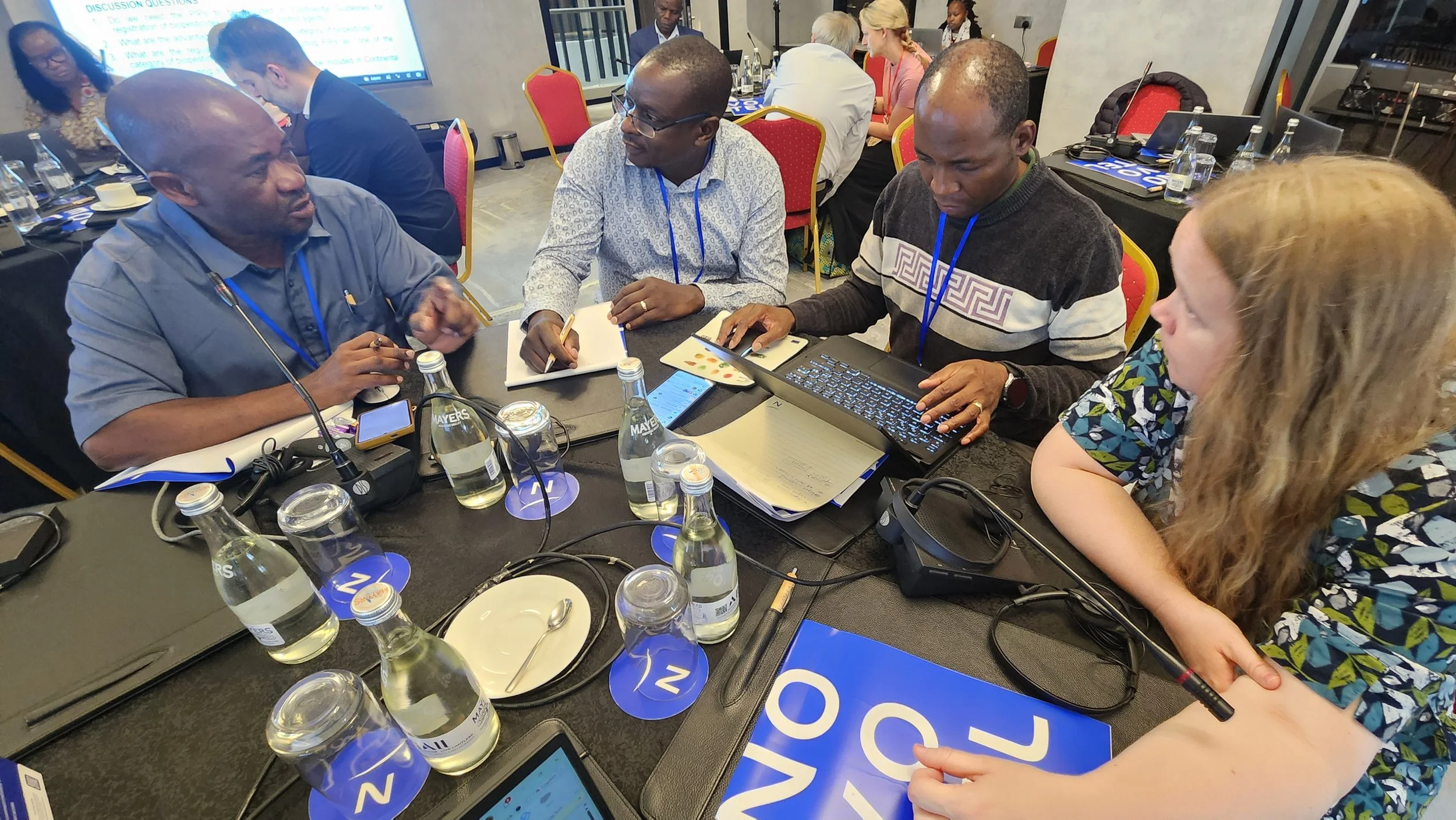
Preventing Hazard-Based Pesticide Bans in Emerging Markets: Africa 2025-2027
Summary: This project builds the capacity of African pesticide regulators to make science- and risk-based decisions on Highly Hazardous Pesticides (HHPs). Through training, policy workshops, and technical case studies, regulators strengthen their understanding of international standards, risk assessment, and pesticide alternatives. The project also supports the adoption of lower-risk crop protection products and coordinated residue research to facilitate new registrations and Codex MRL development. These efforts help maintain agricultural trade and improve alignment with international and U.S. regulatory standards. Project funded by USDA’s Emerging Markets Program.
Project Partners: CABI-Africa, Bryant Christie Inc., Minor Use Foundation, CropLife Africa
Project Team: Dr. Jason Sandahl, Luis Suguiyama, Karen Hope
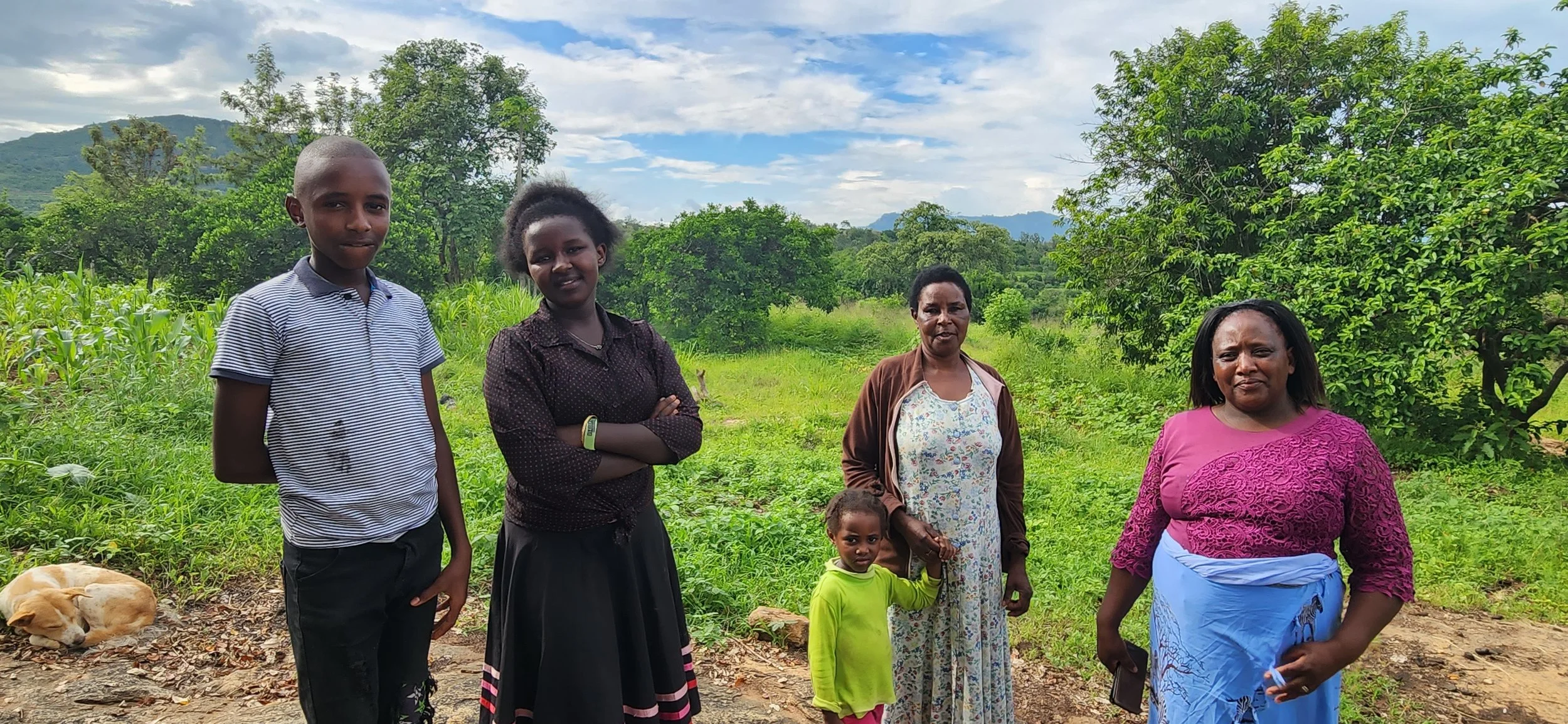
USDA-FAS West Africa Scientific Exchange Program 2024-2025: Biopesticide solutions to control invasive pests in West Africa
Summary: Agricultural research and regulatory tools to build resiliency in a changing climate. The primary goal of this program was to build regional capacity to control invasive species and the upsurge of native pests as the result of a changing climate by utilizing biopesticides, strengthening emergency-use regulations, and building networks between African and American researchers to bolster resiliency for climate-smart agriculture in West Africa. Project funded by USDA’s Scientific Exchange Program.
Project Partners: Michigan State University and University of Missouri
Project Team: Kevin Rice, Lindsey Saunders, Dr. Wayne Jiang, Dr. Jason Sandahl, and Luis Suguiyama
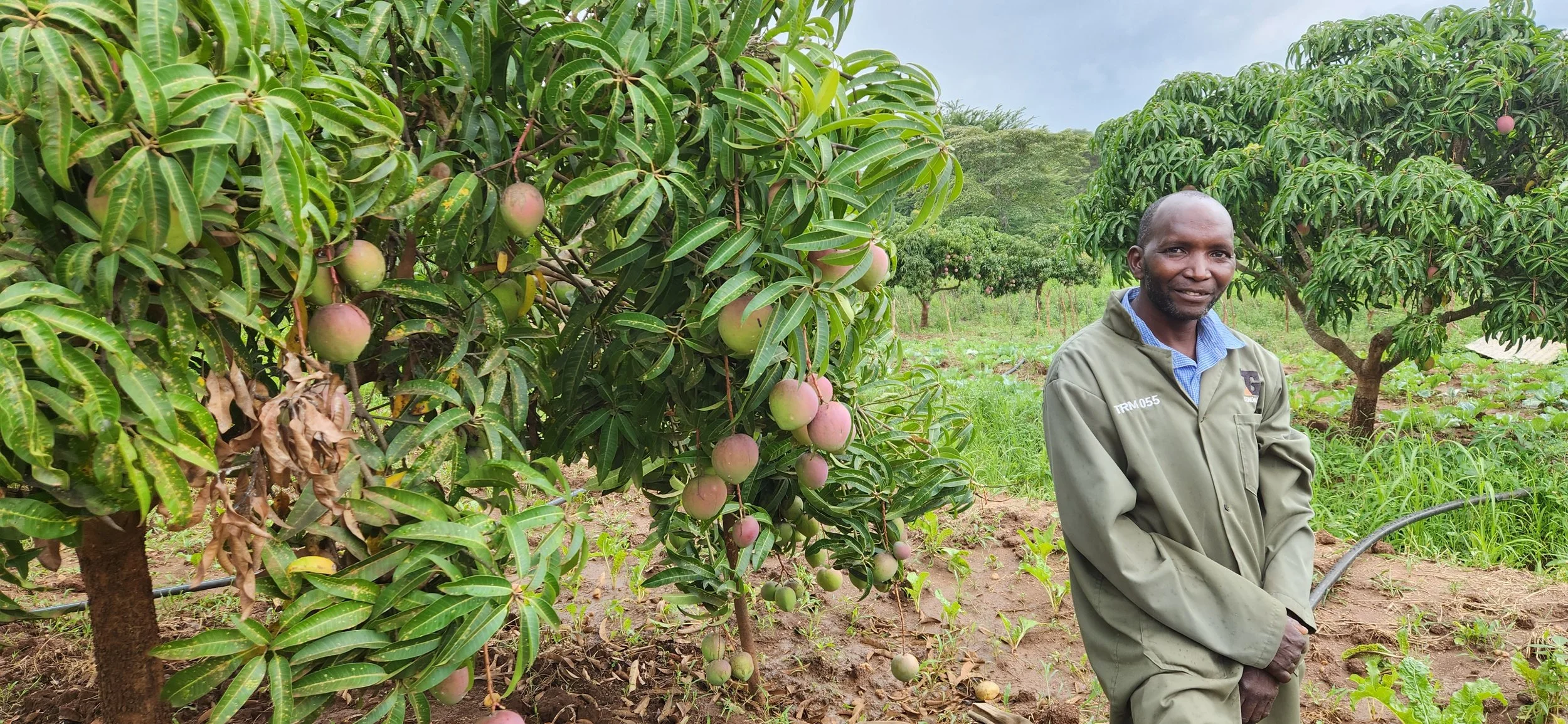
African Pesticide Residue Data Generation 2013-2016
Summary: Commissioned by the Standards and Trade Development Facility (STDF) this work supported technical capacity capacity building to generate, review and interpret pesticide residue data of sufficiently high quality to be accepted by the JMPR (global governing body) for the issuance of new pesticide MRLs (Maximum Residue Limits). The project also supported national pesticide registration (and thus offered farmers more low-risk options). Ghana, Kenya, Senegal, Tanzania, and Uganda participated in this project. Funded by World Trade Organization’s STDF program.
Results: One residue study was completed for sulfoxaflor on mango. Efficacy trials in at least three countries were completed. The STDF project contributed directly to the East African Community’s adoption of regional guidelines to harmonize registration processes.
Partners: Pesticide Manufacturer Dow, IR-4 (Rutgers University), African Union Inter-African Bureau for Animal Resources (AU-IBAR)
Project Team: Dr. Jason Sandahl, Dr. Michael Braverman, Dr. Wayne Jiang, Dr. Grace Lennon, Dr. Kevin Rice
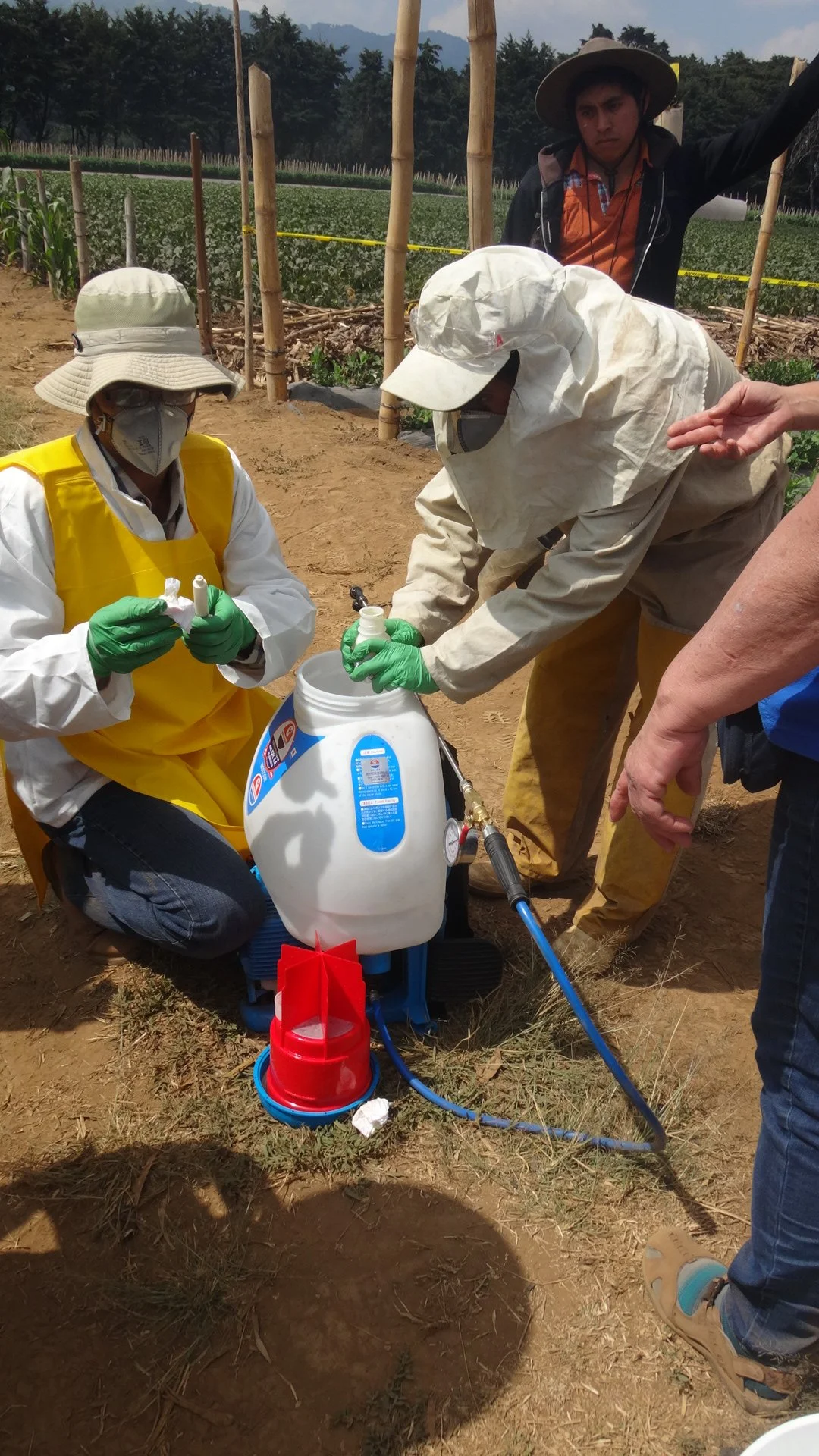
Enhancing African Regional Capacity to Expand Future Pesticide Regulations and Standards on Selected Food Crops 2022
Summary: This project conducted the first multi-country pesticide residue survey across Africa, analyzing maize and tomato samples from eight countries representing four regions of the continent. A total of 879 samples were collected from central and regional markets and analyzed by national laboratories for pesticide residues. The survey identified regional differences in the types and levels of detectable pesticide residues found on the tested commodities. The study also provided one of the most comprehensive approximations of national residue monitoring data available for many participating countries. Project funded by USAID.
Project Partners: USDA-FAS
Project Team: Wayne Jiang, Michigan State University, Limbikani Matumba, University of Lilongwe, Malawi, Arianne Neigh, USAID, Michelle Flavin, USDA-FAS, Shanker Reddy, USDA-FAS, Janie Dubois, Luis Suguiyama, and Veronica Picado
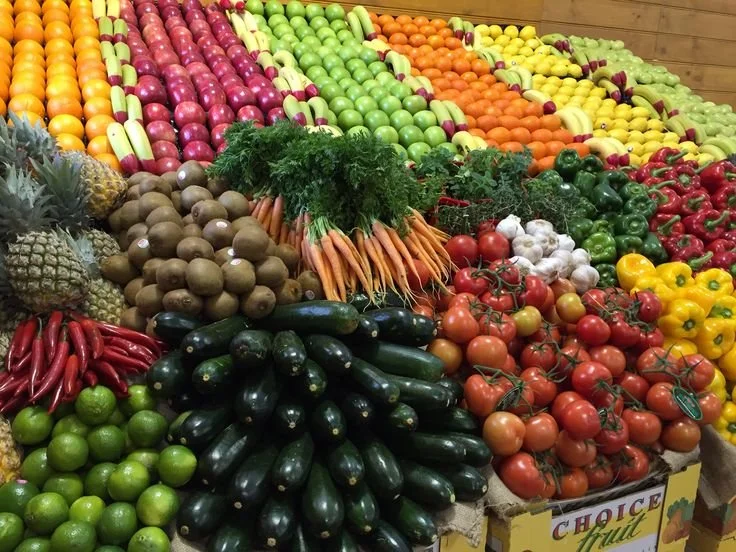
Survey on Non-Compliant (Illegal) Pest Control Products in Kenya 2023
Summary: The Pest Control Products Board (PCPB) in collaboration with Michigan State University and the United States Department of Agriculture conducted a baseline survey to establish the level of non-compliant pest control products in Kenya. The objective of the survey was to determine the level of counterfeit, smuggled, unregistered and expired pest control products in the country and propose mitigation measures to address the situation. Project funded by USAID.
Partners: Michigan State University and USDA-FAS
Project Team: Dr. Jason Sandahl, Dr. Wayne Jiang, Dr. Janie Dubois, Dr. Shanker Reddy, Luis Suguiyama, Veronica Picado
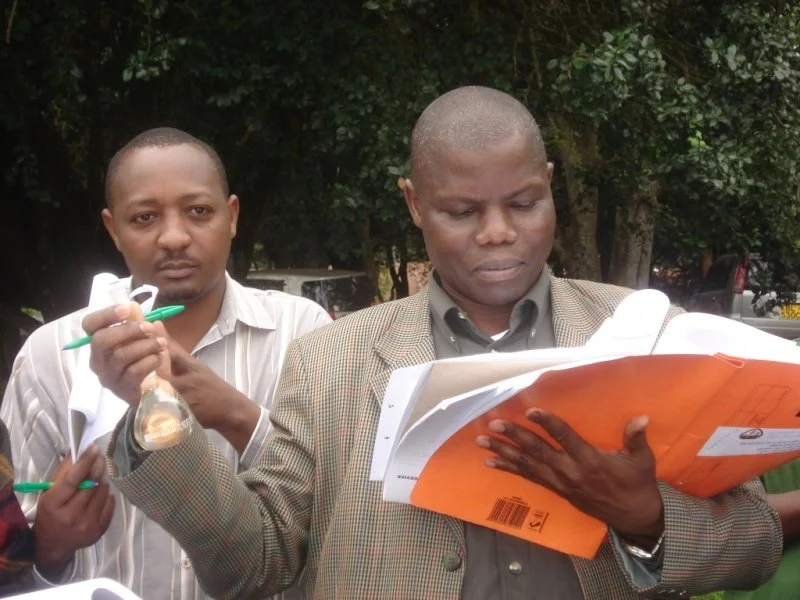
Development of a National Pesticide Residue Monitoring Framework with Kenya’s Pest Control Products Board 2024
Summary: AAG provided technical support in the development of a national pesticide monitoring program, with the support of CABI, through a series of virtual and in-person meetings in 2024. The national monitoring framework will primarily focus on monitoring fresh fruits and vegetables in domestic markets to ensure compliance with local residue standards during crop production. Project funded by CABI-Africa.
Project Team: Dr. Jason Sandahl, Dr. Shanker Reddy, Ian Reichstein